

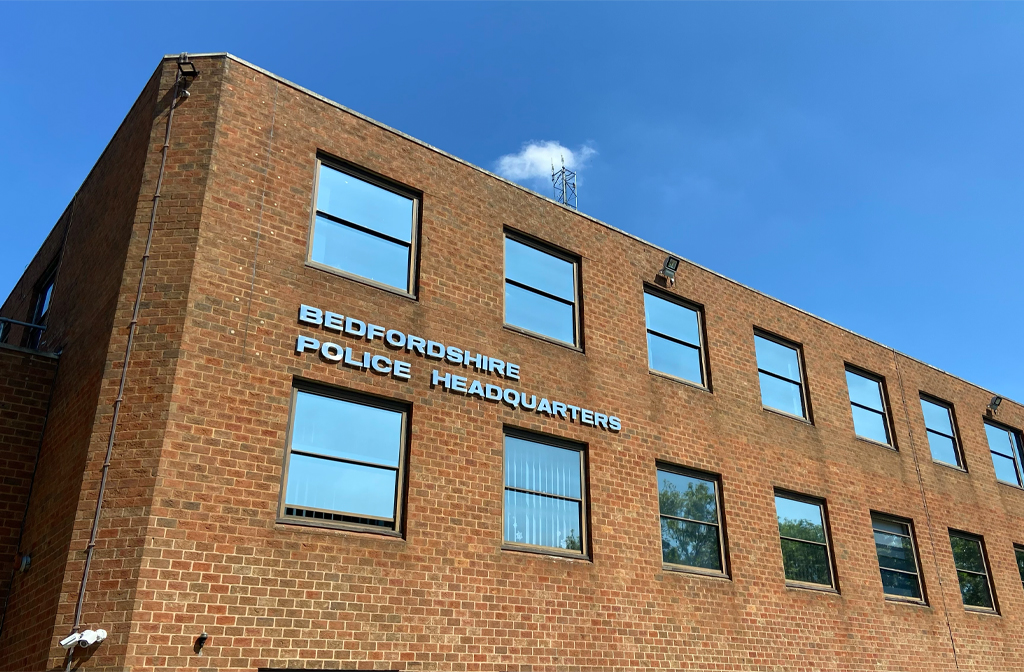
Fewer than one in twenty rape and sexual offence reports made to Bedfordshire Police over the past year have resulted in a charge, according to new figures that have reignited calls for a change in how victims are supported through the justice system.
The figure comes despite a national rise in recorded sexual offences, which have increased by 11 per cent across the UK in the last year. Police say the rise partly reflects improved recording practices and greater confidence among victims to come forward.

Data obtained by Sexual Abuse Compensation Advice shows that just five per cent of cases reported to Bedfordshire Police in the past year led to a charge or summons.
Policy Advisor at The Survivors Trust, Lucy Duckworth, said the figures reflect a system that continues to fail victims.
System not working
“I think that some victims do not want to report offences or be involved in prosecutions because they are seeing the trauma of reporting,” she said.
“Of the 15 per cent of offences that are reported, only 1.6 per cent will result in a prosecution. This isn’t a system that needs reforming, but rather one that simply isn’t working and isn’t delivering for victims.”
In Bedfordshire, reports of rape and sexual offences have continued to rise, from 1,721 in 2022/23 to 2,178 in the most recent year. Over the same period, the number of offenders charged dropped from 161 to 123.
The highest number of offences was recorded in Luton (1,897), followed by Bedford (988).
Nationally, the number of rape prosecutions being abandoned has quadrupled in four years, from 160 in 2020/21 to 608 in 2024/25, according to the Crown Prosecution Service.
“We take all reports seriously”
Detective Chief Inspector Michelle Lack, who leads Bedfordshire Police’s Rape and Serious Sexual Offences (RASSO) team, said the force recognised the challenges but is working to strengthen its response.
“Levels of recorded rape and serious sexual offences are increasing in Bedfordshire, partly due to improvement in recording practices but also could reflect an increased confidence in victims coming forward to report,” she said.
“Both nationally and locally, it is recognised that more still needs to be done when it comes to these offences, and as a force we are committed to making improvements and ensuring victims receive the strongest possible investigative response and support.
“We continue to work hard in driving forward the implementation of Op Soteria – the National Rape Transformation Plan. Part of this work includes looking internally to better equip officers with the tools and training needed to secure the best possible outcomes for victims.”
She added that Bedfordshire Police’s RASSO team includes dedicated Victim Engagement Officers who support survivors through every stage of the process.
This is supported by working closely with partner agencies, including Bedfordshire Victim Care Services, Independent Sexual Violence Advisors (ISVAs) and the Sexual Assault Referral Centre (SARC).
“We understand that reporting sexual violence can be incredibly difficult, and many people may not feel ready to report. We want to reassure victims that we take all reports seriously and deal with rape and serious sexual offences as priority crimes,” she said.
Societal change needed
Lucy Duckworth added that deep-rooted issues continue to prevent progress.
“I think we need a huge cultural and societal shift, such as making it mandatory for all police and frontline staff to have training in working with survivors of sexual violence, because we are now looking at around 14 million adult survivors in this country,” she said.
“A lot of this comes down to the ‘victim-blaming’ culture that exists within our society, which, of course, puts people off.
“One of the main problems is that we intervene once the offence has already happened, we have got to stop trying to address the symptoms of abuse rather than the actual abuse itself.”


